The Nearness of You: la douceur intime d’un standard inoubliable
Écrite en 1937 par Hoagy Carmichael sur des paroles de Ned Washington, The Nearness of You devait initialement figurer dans le film Romance in the Rough (1938), réalisé par H. C. Potter et produit par la Paramount, avec notamment Gladys Swarthout, mezzo-soprano du Metropolitan Opera. Pourtant, malgré les nombreuses affirmations en ce sens, la chanson ne sera ni programmée ni intégrée au long métrage.
C’est en 1940 que The Nearness of You trouve sa première vie publique, grâce à l’enregistrement de Glenn Miller et son orchestre, avec Ray Eberle au chant. La même année, l’interprétation sensible de Jo Stafford contribue à ancrer le morceau dans l’imaginaire collectif, en pleine ère des big bands. Sa mélodie fluide et son élégante construction harmonique en font rapidement un standard prisé par les musiciens de jazz.
À ce moment-là, Hoagy Carmichael est déjà reconnu pour des chefs-d’œuvre tels que Stardust ou Georgia on My Mind. Avec The Nearness of You, il livre une œuvre plus épurée, intime, presque confidentielle. Les paroles de cette ballade d’une grande délicatesse, à la fois tendres et sobres, touchent par leur justesse: ce ne sont ni les mots ni l’apparence qui comptent, mais la simple présence de l’être aimé — cette proximité qui, à elle seule, apaise et bouleverse.
Sarah Vaughan, la délicatesse orchestrale au service de la voix
Le 21 décembre 1949 à New York, Sarah Vaughan enregistre une version profondément nuancée de The Nearness of You, soutenue par l’orchestre dirigé par George Treadwell, son manager et époux de l’époque. L’accompagnent Billy Butterfield et Taft Jordan (trompettes), Will Bradley (trombone), Toots Mondello et Hymie Schertzer (saxophones alto), Artie Drelinder et George Kelly (saxophones ténor), Stan Webb (saxophone baryton), Jimmy Jones et Al Caiola (guitares), Eddie Safranski (basse) et Cozy Cole (batterie).
Dans un contexte où les grandes formations évoluent vers une écriture plus subtile, cette interprétation se distingue par une orchestration aérée qui laisse respirer la ligne vocale. Vaughan explore la mélodie sans l’alourdir, privilégiant un phrasé souple et une articulation limpide. Son contrôle de la dynamique révèle une compréhension profonde du texte : la proximité évoquée dans les paroles devient une présence sonore, presque tactile, portée par un vibrato discret mais expressif.
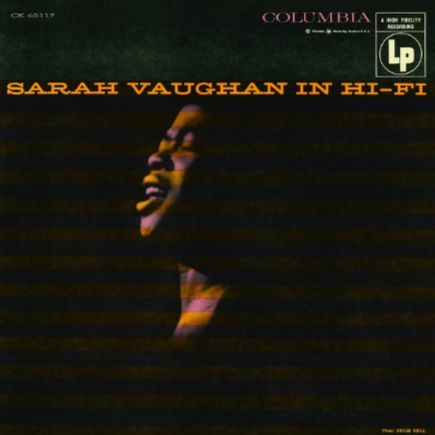
La compilation Sarah Vaughan in Hi-Fi a permis de redonner toute sa visibilité à cette pépite, qui illustre une étape charnière dans l’esthétique de la chanteuse. Les enregistrements de cet album comptent parmi les meilleurs de Sarah Vaughan, et l’accompagnement exceptionnel rappelle les petits groupes de Teddy Wilson qui soutenaient Billie Holiday lors de ses enregistrements sur Columbia dans les années 30.
The Nearness of You: la dulzura íntima de un estándar inolvidable
Escrita en 1937 por Hoagy Carmichael con letra de Ned Washington, The Nearness of You fue concebida originalmente para la película Romance in the Rough (1938), dirigida por H. C. Potter y producida por Paramount, con la participación de la mezzosoprano del Metropolitan Opera, Gladys Swarthout. Sin embargo, pese a las múltiples afirmaciones al respecto, la canción nunca fue programada ni incluida en el filme.
Fue en 1940 cuando The Nearness of You cobró vida por primera vez ante el público, gracias a la grabación de Glenn Miller y su orquesta, con Ray Eberle como vocalista. Ese mismo año, la interpretación emotiva de Jo Stafford contribuyó a fijar la canción en la memoria colectiva, en plena era de las big bands. Su melodía fluida y su elegante estructura armónica la convirtieron rápidamente en un estándar apreciado por los músicos de jazz.
En ese momento, Hoagy Carmichael ya era conocido por obras maestras como Stardust o Georgia on My Mind. Con The Nearness of You, entrega una pieza más depurada, íntima, casi confidencial. La letra de esta balada, delicada y sobria, conmueve por su precisión: no son las palabras ni la apariencia lo que importa, sino la mera presencia del ser amado — esa cercanía que, por sí sola, reconforta y conmueve.
Sarah Vaughan, la delicadeza orquestal al servicio de la voz
El 21 de diciembre de 1949, en Nueva York, Sarah Vaughan grabó una versión profundamente matizada de The Nearness of You, respaldada por la orquesta dirigida por George Treadwell, su mánager y esposo de la época. La acompañaron Billy Butterfield y Taft Jordan (trompetas), Will Bradley (trombón), Toots Mondello y Hymie Schertzer (saxofones alto), Artie Drelinder y George Kelly (saxofones tenor), Stan Webb (saxofón barítono), Jimmy Jones y Al Caiola (guitarras), Eddie Safranski (contrabajo) y Cozy Cole (batería).
En un contexto en el que las grandes formaciones evolucionaban hacia una escritura más sutil, esta interpretación se distingue por una orquestación aireada que permite respirar la línea vocal. Vaughan explora la melodía sin sobrecargarla, privilegiando un fraseo flexible y una articulación límpida. Su control de la dinámica revela una comprensión profunda del texto: la proximidad evocada en la letra se convierte en una presencia sonora, casi táctil, sostenida por un vibrato discreto pero expresivo.
La compilación Sarah Vaughan in Hi-Fi devolvió plena visibilidad a esta joya, que ilustra una etapa crucial en la estética de la cantante. Las grabaciones de este álbum figuran entre las mejores de Sarah Vaughan, y el acompañamiento excepcional recuerda a los pequeños grupos de Teddy Wilson que respaldaban a Billie Holiday en sus registros para Columbia en los años treinta.
The Nearness of You: la dolcezza intima di uno standard indimenticabile
Scritta nel 1937 da Hoagy Carmichael su testo di Ned Washington, The Nearness of You era inizialmente destinata al film Romance in the Rough (1938), diretto da H. C. Potter e prodotto dalla Paramount, con la partecipazione della mezzosoprano del Metropolitan Opera, Gladys Swarthout. Tuttavia, nonostante le numerose affermazioni in tal senso, la canzone non fu mai programmata né inclusa nella pellicola.
È nel 1940 che The Nearness of You conosce la sua prima diffusione pubblica, grazie all’incisione di Glenn Miller e della sua orchestra, con Ray Eberle alla voce. Nello stesso anno, l’interpretazione toccante di Jo Stafford contribuisce a fissare il brano nell’immaginario collettivo, nel pieno dell’epoca delle big band. La melodia fluida e la raffinata costruzione armonica lo rendono rapidamente uno standard molto amato dai musicisti jazz.
In quel periodo, Hoagy Carmichael è già celebre per capolavori come Stardust o Georgia on My Mind. Con The Nearness of You, offre un’opera più essenziale, intima, quasi confidenziale. Il testo di questa ballata, tenero e misurato, colpisce per la sua sincerità: non sono le parole o l’aspetto a contare, ma la semplice presenza della persona amata — quella vicinanza che, da sola, consola e commuove.
Sarah Vaughan, la delicatezza orchestrale al servizio della voce
Il 21 dicembre 1949, a New York, Sarah Vaughan incise una versione profondamente sfumata di The Nearness of You, sostenuta dall’orchestra diretta da George Treadwell, suo manager e marito dell’epoca. L’accompagnarono Billy Butterfield e Taft Jordan (trombe), Will Bradley (trombone), Toots Mondello e Hymie Schertzer (sassofoni alto), Artie Drelinder e George Kelly (sassofoni tenore), Stan Webb (sassofono baritono), Jimmy Jones e Al Caiola (chitarre), Eddie Safranski (contrabbasso) e Cozy Cole (batteria).
In un contesto in cui le grandi formazioni evolvevano verso una scrittura più sottile, questa interpretazione si distingue per un’orchestrazione ariosa che lascia respirare la linea vocale. Vaughan esplora la melodia senza appesantirla, privilegiando un fraseggio flessibile e un’articolazione limpida. Il controllo della dinamica rivela una profonda comprensione del testo: la vicinanza evocata nelle parole diventa una presenza sonora, quasi tattile, sostenuta da un vibrato discreto ma espressivo.
La compilation Sarah Vaughan in Hi-Fi ha restituito piena visibilità a questa gemma, che illustra una tappa cruciale nell’estetica della cantante. Le registrazioni di questo album figurano tra le migliori di Sarah Vaughan, e l’accompagnamento eccezionale richiama i piccoli gruppi di Teddy Wilson che sostenevano Billie Holiday nelle sue registrazioni per la Columbia negli anni Trenta.
The Nearness of You: the intimate sweetness of an unforgettable standard
Written in 1937 by Hoagy Carmichael with lyrics by Ned Washington, The Nearness of You was originally intended for the Paramount film Romance in the Rough (1938), directed by H. C. Potter and featuring Metropolitan Opera mezzo-soprano Gladys Swarthout. However, despite numerous claims, the song was neither scheduled nor included in the final cut of the film.
The Nearness of You first reached the public in 1940, through a recording by Glenn Miller and his orchestra, with Ray Eberle on vocals. That same year, Jo Stafford’s heartfelt interpretation helped embed the song in the collective memory, during the golden age of big bands. Its flowing melody and elegant harmonic structure quickly made it a favorite among jazz musicians.
By then, Hoagy Carmichael was already known for classics like Stardust and Georgia on My Mind. With The Nearness of You, he offered a more stripped-down, intimate, almost whispered piece. The lyrics of this delicate ballad — tender and understated — resonate through their simplicity: it’s not beauty or words that matter, but the nearness of the one you love — that closeness that, in itself, soothes and moves.
Sarah Vaughan, orchestral delicacy in service of the voice
On December 21, 1949, in New York, Sarah Vaughan recorded a deeply nuanced version of The Nearness of You, supported by the orchestra conducted by George Treadwell, her manager and husband at the time. She was joined by Billy Butterfield and Taft Jordan (trumpets), Will Bradley (trombone), Toots Mondello and Hymie Schertzer (alto saxophones), Artie Drelinder and George Kelly (tenor saxophones), Stan Webb (baritone saxophone), Jimmy Jones and Al Caiola (guitars), Eddie Safranski (bass), and Cozy Cole (drums).
At a time when large ensembles were evolving toward more subtle writing, this interpretation stands out for its airy orchestration that allows the vocal line to breathe. Vaughan explores the melody without weighing it down, favoring flexible phrasing and clear articulation. Her control of dynamics reveals a deep understanding of the text: the closeness evoked in the lyrics becomes a sonic presence, almost tactile, supported by a discreet yet expressive vibrato.
The compilation Sarah Vaughan in Hi-Fi helped restore full visibility to this gem, which illustrates a pivotal stage in the singer’s aesthetic. The recordings on this album rank among Sarah Vaughan’s finest, and the exceptional accompaniment recalls the small groups led by Teddy Wilson that supported Billie Holiday during her Columbia recordings in the 1930s.