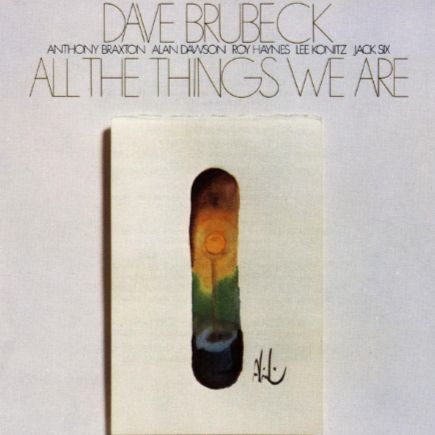
All The Things You Are: complexité harmonique et succès inattendu
Une naissance dans l’âge d’or de Broadway
Créée en 1939 pour la comédie musicale Very Warm for May, All The Things You Are résulte de la collaboration entre Jerome Kern pour la musique et Oscar Hammerstein II pour les paroles. La production, mise en scène à Broadway par Vincente Minnelli, s’inscrit pleinement dans l’âge d’or de la comédie musicale américaine. Si le spectacle connaît un succès modéré, la chanson s’en détache rapidement, révélant une ambition musicale et expressive qui dépasse le cadre strict de la scène théâtrale.
Un succès populaire paradoxal
Dès sa sortie, All The Things You Are rencontre un large succès grâce à l’enregistrement de Tommy Dorsey, qui atteint la première place du hit-parade en 1939. Ce triomphe surprend Jerome Kern lui-même, convaincu que la complexité de l’œuvre en limiterait l’accessibilité. La chanson déjoue ces craintes, trouvant un équilibre rare entre lyrisme immédiat et sophistication formelle, capable de séduire un large public sans renoncer à ses exigences musicales.
Un pilier du langage jazz
Par ses modulations successives et ses progressions harmoniques élaborées, All The Things You Are s’impose rapidement comme un standard majeur du jazz. Sa structure devient un terrain privilégié pour l’improvisation, attirant des générations de musiciens fascinés par sa richesse interne. La réutilisation de sa grille dans Bird of Paradise illustre cette influence durable. Aujourd’hui encore, la chanson demeure une référence centrale, à la fois défi analytique et source d’inspiration créative.
Brubeck & Co: l’improvisation comme territoire commun
Une rencontre au sommet du saxophone alto
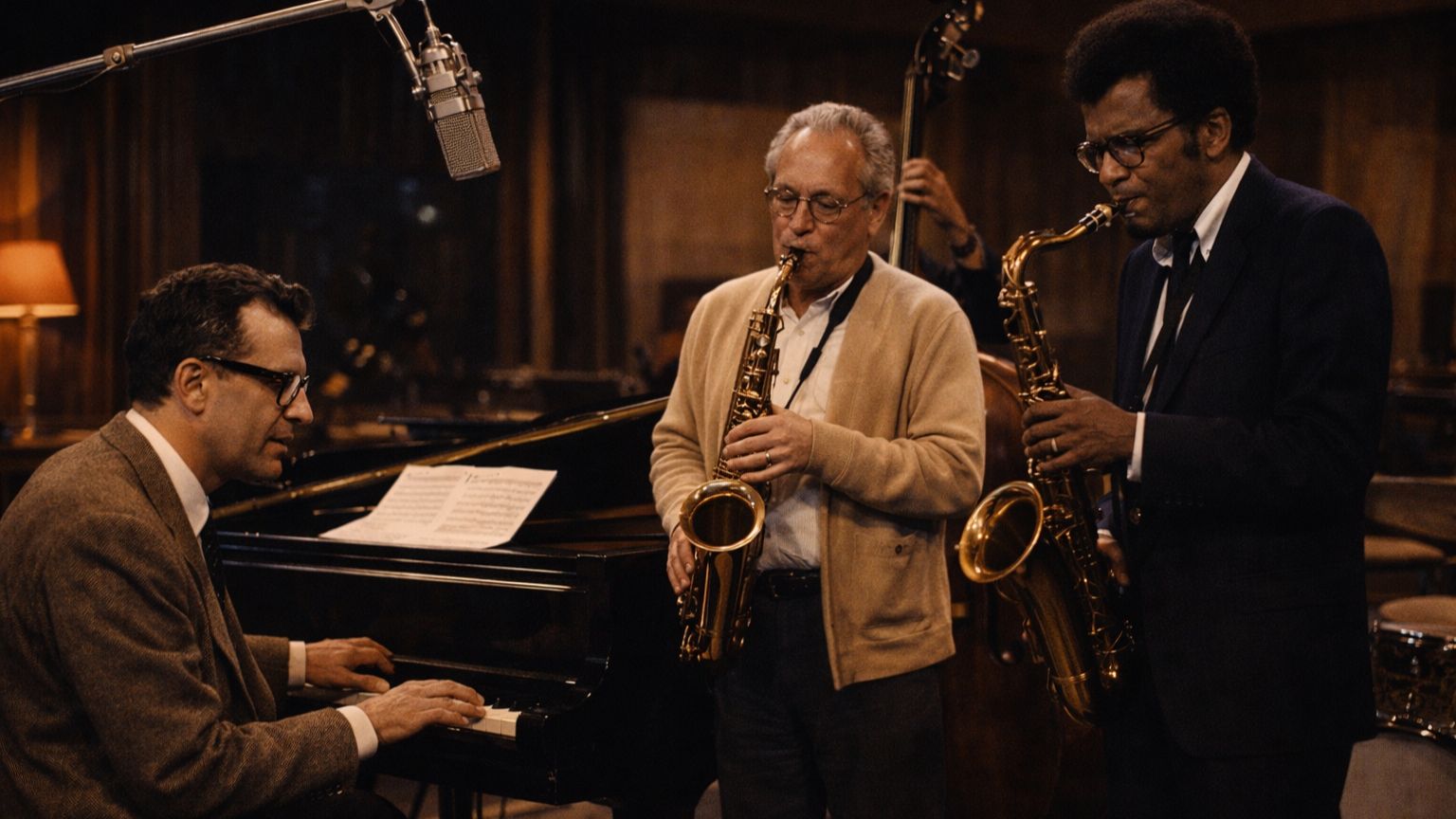
Le 3 octobre 1974, en studio à New York, Dave Brubeck réunit un quintette atypique pour revisiter All The Things You Are. Cette session, publiée sur l’album All The Things We Are, rassemble autour du pianiste deux voix majeures du saxophone alto: Lee Konitz, figure centrale du cool jazz, et Anthony Braxton, dont les recherches ont profondément marqué l’avant-garde américaine. Le choix de ce standard de Jerome Kern n’est pas anodin: sa structure harmonique modulante offre un terrain privilégié pour explorer différentes conceptions de l’improvisation.
Dialogues stylistiques et liberté contrôlée
La force de cette version tient à l’équilibre subtil entre écriture et spontanéité. Au piano, Brubeck installe un cadre harmonique souple, caractérisé par ses progressions modulantes et ses accents rythmiques. Dans cet espace, Konitz développe un discours fluide, presque conversationnel, privilégiant la ligne mélodique et la respiration. Braxton, au contraire, introduit des angles plus abrupts, multipliant les écarts intervalliques et les ruptures de texture. Cette confrontation n’a rien d’un affrontement: elle révèle la capacité du pianiste à fédérer des esthétiques parfois opposées.
Une section rythmique au service du collectif
La cohésion de l’ensemble repose également sur la section rythmique formée par Jack Six à la contrebasse et Roy Haynes à la batterie. Six maintient un ancrage harmonique solide tout en laissant respirer les solistes, tandis que Haynes, maître d’un jeu à la fois aéré et incisif, ponctue le discours avec précision. Ensemble, ils créent un flux rythmique mobile qui favorise la circulation des idées musicales.
All The Things You Are: complejidad armónica y éxito inesperado
Un nacimiento en la edad dorada de Broadway
Creada en 1939 para la comedia musical Very Warm for May, All The Things You Are es fruto de la colaboración entre Jerome Kern, para la música, y Oscar Hammerstein II, para la letra. La producción, presentada en Broadway bajo la dirección de Vincente Minnelli, se inscribe plenamente en la edad dorada del teatro musical estadounidense. Aunque el espectáculo tuvo un éxito limitado, la canción pronto se independizó, revelando una ambición musical y expresiva que superaba el marco escénico original.
Un éxito popular paradójico
Desde su lanzamiento, All The Things You Are obtuvo un éxito notable gracias a la grabación de Tommy Dorsey, que alcanzó el primer puesto de las listas en 1939. Este triunfo sorprendió al propio Jerome Kern, convencido de que la complejidad de la obra dificultaría su difusión. Sin embargo, la canción logra un equilibrio poco común entre lirismo inmediato y sofisticación formal, capaz de atraer a un público amplio sin renunciar a sus exigencias musicales.
Un pilar del lenguaje jazzístico
Con sus modulaciones sucesivas y progresiones armónicas elaboradas, All The Things You Are se impone rápidamente como un estándar esencial del jazz. Su estructura se convierte en un espacio privilegiado para la improvisación, atrayendo a generaciones de músicos fascinados por su riqueza interna. La reutilización de su armonía en Bird of Paradise confirma esta influencia duradera. Hoy sigue siendo una referencia central del repertorio jazz.
Brubeck & Co: la improvisación como territorio común
Un encuentro en la cumbre del saxofón alto
El 3 de octubre de 1974, en estudio en Nueva York, Dave Brubeck reúne un quinteto poco habitual para revisitar All The Things You Are. Esta sesión, publicada en el álbum All The Things We Are, congrega alrededor del pianista a dos voces fundamentales del saxofón alto: Lee Konitz, figura central del cool jazz, y Anthony Braxton, cuyas investigaciones marcaron profundamente la vanguardia estadounidense. La elección de este estándar de Jerome Kern no es casual: su estructura armónica modulante ofrece un terreno privilegiado para explorar distintas concepciones de la improvisación.
Diálogos estilísticos y libertad controlada
La fuerza de esta versión reside en el sutil equilibrio entre escritura y espontaneidad. Al piano, Brubeck establece un marco armónico flexible, caracterizado por progresiones modulantes y acentos rítmicos definidos. En este espacio, Konitz desarrolla un discurso fluido, casi conversacional, privilegiando la línea melódica y la respiración. Braxton, en cambio, introduce ángulos más abruptos, multiplicando los intervalos amplios y las rupturas de textura. Este contraste no se percibe como confrontación: revela la capacidad del pianista para reunir estéticas a veces opuestas.
Una sección rítmica al servicio del conjunto
La cohesión del grupo se apoya también en la sección rítmica formada por Jack Six en el contrabajo y Roy Haynes en la batería. Six mantiene un sólido anclaje armónico mientras deja espacio a los solistas, mientras que Haynes, maestro de un toque aéreo y preciso, subraya el discurso con intervenciones incisivas. Juntos generan un flujo rítmico flexible que favorece la circulación de las ideas musicales.
All The Things You Are: complessità armonica e successo inatteso
Una nascita nell’età d’oro di Broadway
Creata nel 1939 per la commedia musicale Very Warm for May, All The Things You Are nasce dalla collaborazione tra Jerome Kern per la musica e Oscar Hammerstein II per il testo. La produzione, messa in scena a Broadway da Vincente Minnelli, si colloca pienamente nell’età d’oro del musical americano. Sebbene lo spettacolo abbia avuto un successo moderato, la canzone si distingue rapidamente, rivelando un’ambizione musicale ed espressiva che supera il contesto teatrale originario.
Un successo popolare paradossale
Fin dalla sua uscita, All The Things You Are conosce un grande successo grazie all’incisione di Tommy Dorsey, che raggiunge il primo posto delle classifiche nel 1939. Questo risultato sorprende lo stesso Jerome Kern, convinto che la complessità del brano ne avrebbe limitato la diffusione. La canzone smentisce tali timori, trovando un equilibrio raro tra lirismo immediato e sofisticazione formale.
Un pilastro del linguaggio jazz
Grazie alle sue modulazioni e alle progressioni armoniche elaborate, All The Things You Are si afferma rapidamente come uno standard fondamentale del jazz. La sua struttura diventa un terreno privilegiato per l’improvvisazione, attirando generazioni di musicisti. Il riutilizzo della sua armonia in Bird of Paradise testimonia questa influenza duratura. Ancora oggi, il brano resta una riferimento centrale del repertorio jazzistico.
Brubeck & Co: l’improvvisazione come territorio comune
Un incontro al vertice del sassofono contralto
Il 3 ottobre 1974, in studio a New York, Dave Brubeck riunisce un quintetto atipico per rileggere All The Things You Are. La sessione, pubblicata nell’album All The Things We Are, riunisce attorno al pianista due voci fondamentali del sassofono contralto: Lee Konitz, figura centrale del cool jazz, e Anthony Braxton, le cui ricerche hanno segnato profondamente l’avanguardia statunitense. La scelta di questo standard di Jerome Kern non è casuale: la sua struttura armonica modulante offre un terreno privilegiato per esplorare diverse concezioni dell’improvvisazione.
Dialoghi stilistici e libertà controllata
La forza di questa versione risiede nel sottile equilibrio tra scrittura e spontaneità. Al pianoforte, Brubeck stabilisce un quadro armonico flessibile, caratterizzato da progressioni modulanti e accenti ritmici incisivi. In questo spazio, Konitz sviluppa un discorso fluido, quasi conversazionale, privilegiando la linea melodica e la respirazione. Braxton, al contrario, introduce angoli più spigolosi, moltiplicando gli intervalli ampi e le fratture timbriche. Questo contrasto non appare come uno scontro: rivela piuttosto la capacità del pianista di riunire estetiche talvolta opposte.
Una sezione ritmica al servizio del collettivo
La coesione dell’insieme si fonda anche sulla sezione ritmica composta da Jack Six al contrabbasso e Roy Haynes alla batteria. Six mantiene un saldo ancoraggio armonico lasciando respirare i solisti, mentre Haynes, maestro di un tocco arioso e incisivo, punteggia il discorso con grande precisione. Insieme creano un flusso ritmico mobile che favorisce la circolazione delle idee musicali.
All The Things You Are: harmonic complexity and unexpected success
A birth in Broadway’s golden age
Written in 1939 for the musical Very Warm for May, All The Things You Are emerged from the collaboration between Jerome Kern, who composed the music, and Oscar Hammerstein II, who wrote the lyrics. Staged on Broadway under the direction of Vincente Minnelli, the production belongs fully to the golden age of American musical theater. While the show itself achieved only moderate success, the song quickly took on a life of its own, revealing a musical and expressive ambition that extended well beyond the stage.
A paradoxical popular success
Upon its release, All The Things You Are enjoyed significant popularity through Tommy Dorsey’s recording, which reached number one on the charts in 1939. This achievement surprised Jerome Kern himself, who believed the song’s complexity would limit its appeal. Instead, it struck a rare balance between immediate lyricism and formal sophistication, attracting a broad audience without compromising its musical demands.
A pillar of the jazz language
With its successive modulations and intricate harmonic progressions, All The Things You Are quickly became a major jazz standard. Its structure offers a fertile framework for improvisation, drawing generations of musicians inspired by its internal richness. The reuse of its harmonic framework in Bird of Paradise illustrates its lasting influence. Today, the song remains a central reference, both an analytical challenge and a source of creative inspiration.
Brubeck & Co: improvisation as shared territory
A summit meeting of alto saxophones
On October 3, 1974, in a New York recording studio, Dave Brubeck assembled an unusual quintet to revisit All The Things You Are. Released on the album All The Things We Are, the session brings together two major voices of the alto saxophone around the pianist: Lee Konitz, a defining figure of cool jazz, and Anthony Braxton, whose research-driven approach reshaped the American avant-garde. Choosing this Jerome Kern standard was no coincidence: its richly modulating harmonic structure provides an ideal field for exploring different concepts of improvisation.
Stylistic dialogue and controlled freedom
The strength of this interpretation lies in the delicate balance between composition and spontaneity. At the piano, Brubeck establishes a flexible harmonic framework shaped by shifting progressions and clear rhythmic accents. Within this space, Konitz unfolds a fluid, almost conversational discourse that favors melodic continuity and breathing phrasing. Braxton, by contrast, introduces sharper angles, multiplying wide intervals and sudden textural shifts. Yet the contrast never feels confrontational: it highlights the pianist’s ability to bring together seemingly opposing aesthetics.
A rhythm section serving the collective sound
The cohesion of the ensemble also relies on the rhythm section formed by Jack Six on bass and Roy Haynes on drums. Six maintains a firm harmonic grounding while leaving ample space for the soloists, whereas Haynes, master of an airy yet incisive touch, punctuates the musical flow with precise interventions. Together they create a flexible rhythmic current that encourages the circulation of musical ideas.
06.03.2026
generated by ChatGPT (AI)