Jimmy Rushing: une voix fondatrice du blues vocal moderne
Figure incontournable du blues et du jazz vocal, Jimmy Rushing s’est imposé comme l’un des interprètes les plus marquants de l’ère du swing, dont la puissance expressive et la diction exemplaire ont profondément influencé plusieurs générations de chanteurs. Issu d’une famille de musiciens — un père trompettiste, une mère et un frère chanteurs — il développe très tôt une solide culture musicale, apprend le violon puis le piano, et poursuit une formation structurée dans une école spécialisée de sa ville natale.
Dès 1923, il se produit professionnellement en Californie, s’accompagnant souvent lui-même, parfois rejoint par Jelly Roll Morton, qui reconnaît immédiatement la singularité de sa voix ample et flexible, allant du baryton au ténor. En 1927, Jimmy Rushing rejoint les Blue Devils de Walter Page avant d’intégrer, deux ans plus tard, le big band de Bennie Moten, auquel il apporte une présence vocale chaleureuse et une articulation exemplaire.
À la disparition de Moten, Count Basie rassemble les musiciens restants et fonde ce qui deviendra le Count Basie Orchestra. Jimmy Rushing y joue un rôle central jusqu’en 1950, incarnant l’un des timbres emblématiques du swing et affirmant une complicité rythmique unique avec la section de cuivres. Aux côtés de Joe Turner, il contribue à définir une esthétique vocale alliant robustesse, sens du phrasé et intensité narrative.
Après son départ de l’orchestre, il mène sa propre formation et se produit dans les clubs new-yorkais les plus prestigieux ainsi que dans les grandes salles de danse, tout en multipliant les tournées internationales: en Europe avec Humphrey Lyttelton en 1957, avec l’orchestre de Benny Goodman en 1958, puis avec les All Stars de Buck Clayton en 1959. Les années 1960 le conduisent jusqu’en Australie et au Japon avant qu’il n’obtienne un engagement durable au Half Note, où il partage la scène avec les saxophonistes Zoot Sims et Al Cohn, confirmant sa stature d’artiste unanimement respecté.
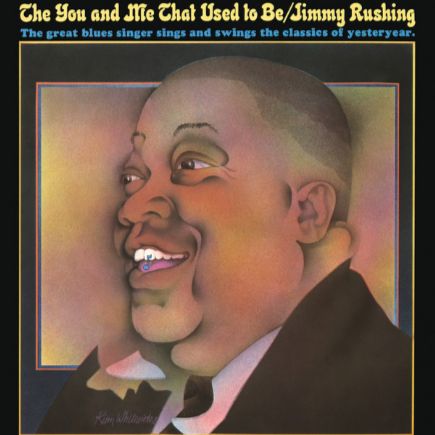
Surnommé Mister Five by Five en raison de sa corpulence, Jimmy Rushing demeure une figure majeure du blues vocal, capable de transformer chaque récit en tableau vibrant d’émotion. Son album The You And Me That Used To Be, consacré meilleur album de l’année par Down Beat, lui vaut un Grammy Award en 1971. Des titres comme Sent For You Yesterday ou Good Morning Blues dévoilent l’art d’un chanteur dont la projection puissante, la diction limpide et la capacité à transmettre la vérité humaine du blues restent inégalées.
Jimmy Rushing: una voz fundacional del blues vocal moderno
Figura esencial del blues y del jazz vocal, Jimmy Rushing se consolidó como uno de los intérpretes más influyentes de la era del swing, gracias a una potencia expresiva y una dicción ejemplar que marcaron profundamente a varias generaciones de cantantes. Procedente de una familia de músicos —su padre trompetista, su madre y su hermano cantantes— desarrolló muy pronto una sólida formación musical, estudió violín y piano y continuó sus estudios en una escuela especializada de su ciudad natal.
Desde 1923 actuó profesionalmente en California, acompañándose a menudo al piano y, en ocasiones, junto a Jelly Roll Morton, quien reconoció de inmediato la singularidad de su voz amplia y flexible, capaz de abarcar registros que van del barítono al tenor. En 1927, Jimmy Rushing se unió a los Blue Devils de Walter Page y, dos años más tarde, al big band de Bennie Moten, al que aportó una presencia vocal cálida y una articulación impecable.
Tras la muerte de Moten, Count Basie reunió a los músicos restantes y formó lo que sería la Count Basie Orchestra. Rushing desempeñó allí un papel central hasta 1950, encarnando uno de los timbres más característicos del swing y desarrollando una relación rítmica única con la sección de metales. Junto a Joe Turner, contribuyó a definir una estética vocal basada en solidez, fluidez del fraseo y expresividad narrativa.
Después de dejar la orquesta, dirigió su propia formación y actuó en los clubes más prestigiosos de Nueva York, además de emprender numerosas giras internacionales: en Europa con Humphrey Lyttelton en 1957, con la orquesta de Benny Goodman en 1958 y con los All Stars de Buck Clayton en 1959. En los años sesenta actuó en Australia y Japón antes de obtener un contrato estable en el Half Note, donde compartió escenario con los saxofonistas Zoot Sims y Al Cohn, consolidando su prestigio como artista unánimemente respetado.
Apodado Mister Five by Five por su corpulencia, Jimmy Rushing sigue siendo una figura mayor del blues vocal, capaz de transformar cada historia en un cuadro cargado de emoción. Su álbum The You And Me That Used To Be, elegido mejor disco del año por Down Beat, le valió un Grammy en 1971. Piezas como Sent For You Yesterday o Good Morning Blues revelan el talento de un cantante cuya proyección poderosa, claridad de dicción y capacidad para transmitir la verdad humana del blues permanecen inigualables.
Jimmy Rushing: una voce fondatrice del blues vocale moderno
Figura imprescindibile del blues e del jazz vocale, Jimmy Rushing si affermò come uno degli interpreti più influenti dell’era dello swing, grazie a una potenza espressiva e a una dizione esemplare che influenzarono profondamente generazioni di cantanti. Proveniente da una famiglia di musicisti —padre trombettista, madre e fratello cantanti— sviluppò presto una solida formazione musicale, studiò violino e pianoforte e proseguì gli studi in una scuola specializzata della sua città natale. Dal 1923 si esibì professionalmente in California, accompagnandosi spesso al pianoforte e, talvolta, insieme a Jelly Roll Morton, che riconobbe immediatamente la singolarità della sua voce ampia e flessibile, capace di spaziare dal baritono al tenore.
Nel 1927 Jimmy Rushing entrò nei Blue Devils di Walter Page e, due anni dopo, nel big band di Bennie Moten, al quale portò una presenza vocale calda e un’articolazione impeccabile. Alla morte di Moten, Count Basie riunì i musicisti e fondò quello che sarebbe diventato il Count Basie Orchestra. Rushing vi svolse un ruolo centrale fino al 1950, incarnando uno dei timbri più riconoscibili dello swing e instaurando una complicità ritmica unica con la sezione dei fiati. Accanto a Joe Turner contribuì a definire un’estetica vocale fondata su robustezza, senso del fraseggio ed espressività narrativa.
Dopo aver lasciato l’orchestra, guidò la propria formazione e si esibì nei club più prestigiosi di New York, intraprendendo numerose tournée internazionali: in Europa con Humphrey Lyttelton nel 1957, con l’orchestra di Benny Goodman nel 1958 e con gli All Stars di Buck Clayton nel 1959. Negli anni Sessanta si esibì in Australia e in Giappone prima di ottenere un ingaggio stabile al Half Note, dove condivise il palco con i sassofonisti Zoot Sims e Al Cohn, confermando la sua statura di artista universalmente stimato.
Soprannominato Mister Five by Five per la sua corporatura, Jimmy Rushing rimane una figura centrale del blues vocale, capace di trasformare ogni racconto in un quadro vibrante di emozione. Il suo album The You And Me That Used To Be, eletto miglior disco dell’anno da Down Beat, gli valse un Grammy nel 1971. Brani come Sent For You Yesterday e Good Morning Blues rivelano l’arte di un cantante la cui potenza vocale, chiarezza di dizione e capacità di trasmettere la verità umana del blues restano ineguagliabili.
Jimmy Rushing: a foundational voice of modern vocal blues
A central figure in blues and vocal jazz, Jimmy Rushing became one of the most influential interpreters of the swing era, thanks to his expressive power and exemplary diction, which shaped several generations of singers. Born into a musical family — a trumpeter father and a mother and brother who sang — he developed a strong musical foundation early on, studied violin and piano, and continued his training in a specialized school in his hometown. Beginning in 1923, he performed professionally in California, often accompanying himself at the piano and occasionally joined by Jelly Roll Morton, who immediately recognized the uniqueness of his broad and flexible voice, ranging from baritone to tenor.
In 1927, Jimmy Rushing joined the Blue Devils led by Walter Page and, two years later, the big band of Bennie Moten, to which he brought a warm vocal presence and impeccable articulation. After Moten’s death, Count Basie reorganized the remaining musicians and created what would later become the Count Basie Orchestra. Rushing remained a central figure there until 1950, embodying one of the defining voices of the swing era and developing a unique rhythmic rapport with the brass section. Alongside Joe Turner, he helped establish a vocal style that combined strength, phrasing mastery, and narrative expressiveness.
After leaving the orchestra, he led his own group and performed in New York’s most prestigious clubs and major dance halls, while embarking on extensive international tours: through Europe with Humphrey Lyttelton in 1957, with the orchestra of Benny Goodman in 1958, and with Buck Clayton’s All Stars in 1959. During the 1960s, he toured Australia and Japan before securing a long-term engagement at the Half Note, where he shared the stage with saxophonists Zoot Sims and Al Cohn, further solidifying his reputation as an artist held in universal esteem.
Nicknamed Mister Five by Five for his stout build, Jimmy Rushing remains a towering figure in vocal blues, capable of turning each story into a powerful emotional tableau. His album The You And Me That Used To Be, voted Album of the Year by Down Beat, earned him a Grammy Award in 1971. Pieces such as Sent For You Yesterday and Good Morning Blues showcase the artistry of a singer whose powerful projection, clarity of diction, and ability to convey the human truth of the blues remain unmatched.