Zoot Sims, un poète du saxophone au cœur du jazz
Saxophoniste ténor d’une souplesse et d’une chaleur rares, Zoot Sims appartient à la lignée des grands stylistes du jazz américain. Né à Inglewood, en Californie, dans une famille de musiciens de vaudeville, il grandit au rythme des tournées et des orchestres populaires. Très jeune, il s’initie à la batterie puis à la clarinette, avant de découvrir le saxophone ténor, instrument auquel il se consacre dès l’âge de treize ans. Influencé par Ben Webster, Coleman Hawkins et surtout Lester Young, il développe un phrasé fluide, chantant et d’une décontraction trompeuse, qui deviendra sa signature.
À quinze ans à peine, il se produit déjà en professionnel et rejoint le groupe du trompettiste Kenny Baker à Los Angeles. Peu après, il est engagé par plusieurs grands orchestres swing, dont ceux de Benny Goodman, Artie Shaw, Buddy Rich, Sidney Catlett et Woody Herman. C’est au sein de ce dernier, dans la formation légendaire des Four Brothers — avec Stan Getz, Herbie Steward et Serge Chaloff — que Zoot Sims s’impose comme une voix singulière du saxophone ténor. L’équilibre entre souplesse mélodique et précision rythmique qui caractérise son jeu en fait l’un des piliers de cette section devenue mythique.
En 1950, Zoot Sims effectue une première tournée européenne avec l’ensemble de Benny Goodman, puis rejoint brièvement, trois ans plus tard, le big band de Stan Kenton. Installé en Californie à partir de 1954, il collabore avec le baryton Gerry Mulligan, dont il partage le goût pour les textures légères et le dialogue contrapuntique. Ensemble, ils entreprennent une nouvelle tournée en Europe, avant que Zoot Sims ne rejoigne les Birdland All Stars puis ne fonde, en 1956, un quintette marquant avec Al Cohn, autre grand représentant du ténor moderne issu du swing.
Les années 1960 le voient multiplier les projets : il retrouve Mulligan au sein du Concert Jazz Band (1960), participe à la tournée soviétique de Benny Goodman à Moscou et se joint en 1966 au légendaire ensemble Titans of the Tenors aux côtés de John Coltrane, Coleman Hawkins et Sonny Rollins. Toujours actif, il retrouve Woody Herman au Newport Jazz Festival en 1972, part en tournée scandinave avec Al Cohn en 1974, puis forme un duo fécond avec le guitariste Buck Pizzarelli, à la complicité musicale exemplaire.
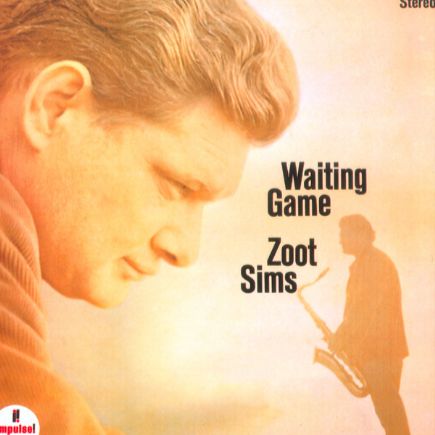
Zoot Sims a enregistré plus d’une cinquantaine d’albums, sur les labels les plus prestigieux, dont plusieurs sont considérés comme des jalons du jazz moderne. Parmi eux, If I’m Lucky, gravé en 1977, demeure l’un des sommets de son art : un modèle de musicalité limpide et de swing naturel.
Zoot Sims, un poeta del saxofón en el corazón del jazz
Saxofonista tenor de una flexibilidad y calidez poco comunes, Zoot Sims pertenece a la estirpe de los grandes estilistas del jazz estadounidense. Nacido en Inglewood, California, en una familia de músicos de vodevil, creció entre giras y orquestas populares. Desde muy joven se inició en la batería y luego en el clarinete, antes de descubrir el saxofón tenor, instrumento al que se dedicó a los trece años. Influido por Ben Webster, Coleman Hawkins y, sobre todo, Lester Young, desarrolló un fraseo fluido, melódico y de una relajación engañosa que se convertiría en su sello personal.
A los quince años ya era músico profesional y se unió al grupo del trompetista Kenny Baker en Los Ángeles. Poco después, fue contratado por varias grandes orquestas de swing, entre ellas las de Benny Goodman, Artie Shaw, Buddy Rich, Sidney Catlett y Woody Herman. En esta última, dentro de la formación legendaria de los Four Brothers —junto a Stan Getz, Herbie Steward y Serge Chaloff—, Sims se impuso como una voz singular del saxofón tenor.
En 1950 Zoot Sims realizó su primera gira europea con la banda de Benny Goodman y, tres años más tarde, se unió brevemente al big band de Stan Kenton. Desde 1954, ya instalado en California, colaboró con el barítono Gerry Mulligan, con quien compartía el gusto por las texturas ligeras y el diálogo contrapuntístico. Juntos emprendieron otra gira europea antes de que Sims se incorporara a los Birdland All Stars y fundara, en 1956, un quinteto emblemático con Al Cohn, otro gran tenor surgido del swing.
Durante los años sesenta multiplicó sus proyectos: retomó la colaboración con Mulligan en el Concert Jazz Band (1960), participó en la gira soviética de Benny Goodman en Moscú y, en 1966, se unió al legendario conjunto Titans of the Tenors junto a John Coltrane, Coleman Hawkins y Sonny Rollins. Siempre activo, regresó a escena con Woody Herman en el Newport Jazz Festival de 1972, realizó una gira escandinava con Al Cohn en 1974 y formó un dúo fructífero con el guitarrista Buck Pizzarelli.
Zoot Sims grabó más de cincuenta álbumes para sellos de prestigio, varios de ellos considerados hitos del jazz moderno. Entre ellos, If I’m Lucky, registrado en 1977, permanece como una de sus cimas artísticas: un modelo de musicalidad transparente y swing natural.
Zoot Sims, un poeta del sassofono nel cuore del jazz
Sassofonista tenore di rara flessibilità e calore, Zoot Sims appartiene alla stirpe dei grandi stilisti del jazz americano. Nato a Inglewood, in California, in una famiglia di musicisti di vaudeville, cresce tra tournée e orchestre popolari. Fin da giovane si avvicina alla batteria e poi al clarinetto, prima di scoprire il sassofono tenore, strumento a cui si dedica all’età di tredici anni. Influenzato da Ben Webster, Coleman Hawkins e soprattutto da Lester Young, sviluppa un fraseggio fluido, melodico e di un’apparente naturalezza che diventerà il suo tratto distintivo.
A soli quindici anni è già musicista professionista e si unisce al gruppo del trombettista Kenny Baker a Los Angeles. Poco dopo viene scritturato da diverse grandi orchestre swing, tra cui quelle di Benny Goodman, Artie Shaw, Buddy Rich, Sidney Catlett e Woody Herman. È proprio con quest’ultimo, nella leggendaria formazione dei Four Brothers — con Stan Getz, Herbie Steward e Serge Chaloff — che Sims si impone come voce inconfondibile del sassofono tenore.
Nel 1950 Zoot Sims intraprende la sua prima tournée europea con l’orchestra di Benny Goodman e, tre anni dopo, si unisce brevemente al big band di Stan Kenton. Stabilitosi in California dal 1954, collabora con il baritono Gerry Mulligan, con il quale condivide il gusto per le sonorità leggere e il dialogo contrappuntistico. Insieme partono per una nuova tournée europea, prima che Sims entri nei Birdland All Stars e fondi, nel 1956, un quintetto memorabile con Al Cohn, altro grande tenore moderno proveniente dallo swing.
Negli anni Sessanta moltiplica i progetti: ritrova Mulligan nel Concert Jazz Band (1960), partecipa alla tournée sovietica di Benny Goodman a Mosca e, nel 1966, si unisce al leggendario gruppo Titans of the Tenors insieme a John Coltrane, Coleman Hawkins e Sonny Rollins. Sempre attivo, ritrova Woody Herman al Newport Jazz Festival nel 1972, compie una tournée scandinava con Al Cohn nel 1974 e forma un duo fruttuoso con il chitarrista Buck Pizzarelli, esempio di straordinaria intesa musicale.
Zoot Sims ha inciso più di cinquanta album per le etichette più prestigiose, molti dei quali considerati pietre miliari del jazz moderno. Tra questi, If I’m Lucky, registrato nel 1977, resta uno dei vertici della sua arte: un modello di musicalità limpida e di swing naturale.
Zoot Sims, a poet of the saxophone at the heart of jazz
A tenor saxophonist of remarkable warmth and flexibility, Zoot Sims belongs to the lineage of the great stylists of American jazz. Born in Inglewood, California, into a family of vaudeville musicians, he grew up surrounded by touring shows and popular orchestras. As a child, he began on drums and clarinet before discovering the tenor saxophone at age thirteen—the instrument that would define his life. Influenced by Ben Webster, Coleman Hawkins, and especially Lester Young, he developed a fluid, melodic phrasing and an effortless swing that became his unmistakable signature.
At just fifteen, he began performing professionally, joining trumpeter Kenny Baker’s band in Los Angeles. Soon afterward, he was recruited by several major swing orchestras, including those of Benny Goodman, Artie Shaw, Buddy Rich, Sidney Catlett, and Woody Herman. Within Herman’s legendary Four Brothers sax section—with Stan Getz, Herbie Steward, and Serge Chaloff—Sims emerged as a distinctive tenor voice.
In 1950, Zoot Sims toured Europe for the first time with Benny Goodman’s band, later joining Stan Kenton’s big band briefly in 1953. Settling in California in 1954, he collaborated with baritone saxophonist Gerry Mulligan, sharing a taste for light textures and contrapuntal dialogue. Together they embarked on another European tour before Sims joined the Birdland All Stars and co-founded, in 1956, a memorable quintet with Al Cohn, another major tenor rooted in swing.
Throughout the 1960s, Sims remained deeply active: he reunited with Mulligan in the Concert Jazz Band (1960), joined Benny Goodman’s Soviet tour in Moscow, and took part in the legendary Titans of the Tenors in 1966 alongside John Coltrane, Coleman Hawkins, and Sonny Rollins. Ever in motion, he returned to play with Woody Herman at the Newport Jazz Festival in 1972, toured Scandinavia with Al Cohn in 1974, and later formed a fruitful duo with guitarist Buck Pizzarelli.
Zoot Sims recorded over fifty albums for major jazz labels, many considered landmarks of modern jazz. Among them, If I’m Lucky (1977) stands as one of his finest achievements: a model of luminous musicality and natural swing.