Autumn Leaves: échos d’un monde blessé devenu hymne universel
Une origine française marquée par l’après-guerre
Née en 1945 sous le titre Les feuilles mortes, la chanson est composée par Joseph Kosma sur un texte de Jacques Prévert, avant d’être adaptée en anglais par Johnny Mercer sous le titre Autumn Leaves. Elle s’inscrit dans un contexte historique encore marqué par les traumatismes de la Seconde Guerre mondiale. Sa mélodie dépouillée, associée à une poésie du souvenir et du temps perdu, exprime une mélancolie collective qui dépasse largement le cadre de la chanson française.
Du cinéma à la reconnaissance internationale
Écrite pour le film Les portes de la nuit de Marcel Carné en 1946, la chanson survit à l’échec relatif du long métrage. Sa diffusion progressive lui permet de franchir les frontières et de s’imposer comme un thème universel. La simplicité apparente de sa structure masque une profondeur émotionnelle qui favorise son appropriation par des interprètes issus de traditions musicales variées.
Consécration jazz et postérité durable
En 1955, une version instrumentale pour piano solo propulse Autumn Leaves au sommet du Billboard pendant quatre semaines, fait exceptionnel pour ce format. Dès lors, la chanson devient un standard majeur du jazz, offrant un cadre harmonique propice à l’improvisation. Avec plus de 600 versions enregistrées, elle s’impose comme l’un des hymnes les plus universels du répertoire.
Wynton Kelly: la poésie du swing en trio
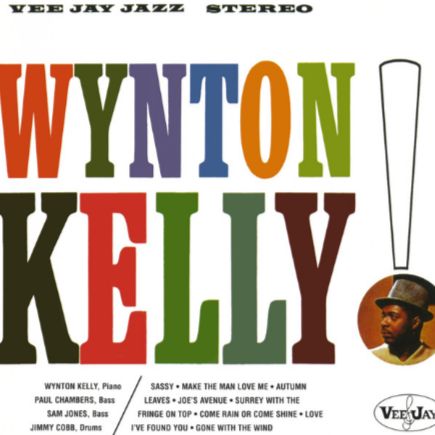
Enregistrée le 20 juillet 1961 à New York pour l’album Wynton Kelly!, cette version de Autumn Leaves illustre à merveille l’art du pianiste américain d’origine jamaïcaine Wynton Kelly, maître du swing clair et chantant. Entouré de deux complices de longue date, le contrebassiste Paul Chambers et le batteur Jimmy Cobb, Kelly déploie dans cette interprétation toute la richesse de son toucher, la limpidité de son phrasé et l’équilibre parfait entre rigueur rythmique et lyrisme mélodique.
Dans la version de Wynton Kelly, la mélodie conserve toute sa nostalgie, mais se teinte d’une lumière nouvelle: celle du hard bop le plus élégant, nourri d’une pulsation souple et d’une invention constante. Dès l’introduction, le piano installe une atmosphère claire et aérée, soutenue par la ligne de basse fluide de Chambers et les ponctuations délicates de Cobb. Chaque solo s’intègre naturellement dans le flux collectif, dans une conversation à la fois détendue et maîtrisée.
Cette lecture de Autumn Leaves révèle la quintessence du style de Wynton Kelly: un swing lumineux, un sens du groove irrésistible et une intelligence harmonique au service de la simplicité expressive. Plus qu’une interprétation, c’est une leçon d’équilibre entre émotion et mesure, entre tradition et invention, dans un album dont la durée dépasse à peine les 34 minutes.
Autumn Leaves: ecos de un mundo herido convertido en himno universal
Un origen francés marcado por la posguerra
Nacida en 1945 bajo el título Les feuilles mortes, la canción fue compuesta por Joseph Kosma con letra de Jacques Prévert, antes de ser adaptada al inglés por Johnny Mercer como Autumn Leaves. Surge en un contexto histórico todavía marcado por los traumas de la Segunda Guerra Mundial. Su melodía depurada, unida a una poesía del recuerdo y del tiempo perdido, expresa una melancolía colectiva que trasciende la canción francesa.
Del cine al reconocimiento internacional
Escrita para la película Les portes de la nuit de Marcel Carné en 1946, la canción sobrevive al relativo fracaso del film. Su difusión progresiva le permite cruzar fronteras y afirmarse como un tema universal. La aparente sencillez de su estructura esconde una profundidad emocional que favorece su adopción por intérpretes de tradiciones musicales diversas.
Consagración jazzística y legado duradero
En 1955, una versión instrumental para piano solo llevó Autumn Leaves al primer puesto del Billboard durante cuatro semanas, un logro excepcional para ese formato. Desde entonces, la canción se convirtió en un estándar esencial del jazz, con una armonía ideal para la improvisación. Con más de 600 versiones grabadas, se impone hoy como uno de los himnos más universales del repertorio.
Wynton Kelly: la poesía del swing en trío
Grabada el 20 de julio de 1961 en Nueva York para el álbum Wynton Kelly!, esta versión de Autumn Leaves ilustra de manera magistral el arte del pianista estadounidense de origen jamaicano Wynton Kelly, maestro del swing claro y melódico. Acompañado por dos cómplices de larga trayectoria, el contrabajista Paul Chambers y el baterista Jimmy Cobb, Kelly despliega en esta interpretación toda la riqueza de su toque, la claridad de su fraseo y el equilibrio perfecto entre la precisión rítmica y el lirismo melódico.
En la versión de Wynton Kelly, la melodía conserva toda su nostalgia, pero adquiere un brillo renovado: el del hard bop más elegante, alimentado por una pulsación flexible y una inventiva constante. Desde la introducción, el piano establece una atmósfera diáfana y ligera, sostenida por la línea de bajo fluida de Chambers y las sutiles intervenciones de Cobb. Cada solo se integra naturalmente en el flujo colectivo, en un diálogo a la vez relajado y preciso.
Esta lectura de Autumn Leaves revela la quintaesencia del estilo de Wynton Kelly: un swing luminoso, un sentido del groove irresistible y una inteligencia armónica puesta al servicio de la expresión más sencilla. Más que una interpretación, es una lección de equilibrio entre emoción y contención, entre tradición e invención, en un álbum cuya duración apenas supera los treinta y cuatro minutos.
Autumn Leaves: echoes of a wounded world turned into a universal anthem
A French origin shaped by the postwar period
Born in 1945 under the title Les feuilles mortes, the song was composed by Joseph Kosma with lyrics by Jacques Prévert, before being adapted into English by Johnny Mercer as Autumn Leaves. It emerged in a historical context still deeply marked by the trauma of World War II. Its spare melody, combined with poetry centered on memory and lost time, conveys a collective melancholy that extends far beyond French song.
From cinema to international recognition
Written for Marcel Carné’s 1946 film Les portes de la nuit, the song outlived the movie’s relative failure. Through gradual dissemination, it crossed borders and established itself as a universal theme. The apparent simplicity of its structure conceals an emotional depth that encouraged adoption by performers from diverse musical traditions.
Jazz consecration and lasting legacy
In 1955, a solo piano instrumental version propelled Autumn Leaves to the top of the Billboard chart for four weeks, an exceptional achievement for that format. From that point on, the song became a cornerstone of the jazz repertoire, offering a harmonic framework ideal for improvisation. With more than 600 recorded versions, it stands today as one of the most universal anthems in music history.
Wynton Kelly: la poesia dello swing in trio
Registrata il 20 luglio 1961 a New York per l’album Wynton Kelly!, questa versione di Autumn Leaves illustra in modo esemplare l’arte del pianista americano di origini giamaicane Wynton Kelly, maestro dello swing limpido e cantabile. Affiancato da due compagni di lunga data, il contrabbassista Paul Chambers e il batterista Jimmy Cobb, Kelly dispiega in questa interpretazione tutta la ricchezza del suo tocco, la chiarezza del fraseggio e l’equilibrio perfetto tra rigore ritmico e lirismo melodico.
Nella versione di Wynton Kelly, la melodia conserva tutta la sua malinconia, ma si illumina di una luce nuova: quella dell’hard bop più elegante, animato da una pulsazione morbida e da un’inventiva costante. Fin dall’introduzione, il pianoforte crea un’atmosfera limpida e ariosa, sostenuta dalla linea di basso fluida di Chambers e dalle delicate sfumature di Cobb. Ogni assolo si inserisce con naturalezza nel flusso collettivo, in un dialogo allo stesso tempo rilassato e controllato.
Questa lettura di Autumn Leaves rivela la quintessenza dello stile di Wynton Kelly: uno swing luminoso, un senso del groove irresistibile e un’intelligenza armonica al servizio della semplicità espressiva. Più che un’interpretazione, è una lezione di equilibrio tra emozione e misura, tra tradizione e invenzione, in un album la cui durata supera appena i trentaquattro minuti.
Autumn Leaves: echoes of a wounded world turned into a universal anthem
A French origin shaped by the postwar period
Born in 1945 under the title Les feuilles mortes, the song was composed by Joseph Kosma with lyrics by Jacques Prévert, before being adapted into English by Johnny Mercer as Autumn Leaves. It emerged in a historical context still deeply marked by the trauma of World War II. Its spare melody, combined with poetry centered on memory and lost time, conveys a collective melancholy that extends far beyond French song.
From cinema to international recognition
Written for Marcel Carné’s 1946 film Les portes de la nuit, the song outlived the movie’s relative failure. Through gradual dissemination, it crossed borders and established itself as a universal theme. The apparent simplicity of its structure conceals an emotional depth that encouraged adoption by performers from diverse musical traditions.
Jazz consecration and lasting legacy
In 1955, a solo piano instrumental version propelled Autumn Leaves to the top of the Billboard chart for four weeks, an exceptional achievement for that format. From that point on, the song became a cornerstone of the jazz repertoire, offering a harmonic framework ideal for improvisation. With more than 600 recorded versions, it stands today as one of the most universal anthems in music history.
Wynton Kelly: the poetry of swing in trio
Recorded on July 20, 1961, in New York for the album Wynton Kelly!, this rendition of Autumn Leaves perfectly illustrates the artistry of Jamaican-born American pianist Wynton Kelly, a master of clear, singing swing. Accompanied by two long-time partners—bassist Paul Chambers and drummer Jimmy Cobb—Kelly displays in this interpretation the full richness of his touch, the clarity of his phrasing, and the perfect balance between rhythmic precision and melodic lyricism.
In Kelly’s version, the melody retains all its wistful nostalgia yet takes on a new light—that of the most elegant hard bop, sustained by a supple pulse and constant inventiveness. From the very first measures, the piano establishes a bright, airy atmosphere, supported by Chambers’s fluid bass lines and Cobb’s subtle rhythmic accents. Each solo blends naturally into the collective flow, creating a dialogue that feels both relaxed and tightly controlled.
This reading of Autumn Leaves reveals the essence of Wynton Kelly’s style: a luminous swing, an irresistible sense of groove, and harmonic intelligence placed in service of expressive simplicity. More than a performance, it is a lesson in balance between emotion and restraint, between tradition and invention, in an album whose running time barely exceeds thirty-four minutes.