Do You Know What It Means to Miss New Orleans?: un hymne à la ville berceau du jazz
Une chanson née du cinéma et de la mémoire collective
Composée par Louis Alter sur des paroles d’Eddie DeLange, Do You Know What It Means to Miss New Orleans? est enregistrée en 1946 par Louis Armstrong pour le label RCA Victor. Elle acquiert une visibilité accrue l’année suivante en intégrant la bande originale du film New Orleans, réalisé par Arthur Lubin, où Armstrong apparaît à l’écran aux côtés de Billie Holiday. Dès ses premières diffusions, la chanson dépasse le cadre du cinéma pour s’imposer comme une évocation sensible et durable de la ville qui lui donne son nom.
Une expression musicale de la nostalgie
Devenue un standard, Do You Know What It Means to Miss New Orleans? exprime avec une grande justesse la nostalgie de l’exil et l’attachement profond à un lieu fondateur. La mélodie, ample et mélancolique, soutient un texte empreint de tendresse et de regret, sans jamais sombrer dans l’emphase. Cette retenue confère à la chanson une force émotionnelle particulière, où l’intime rejoint l’universel. Chaque interprétation réactive le souvenir d’une ville idéalisée, à la fois réelle et mythifiée par la musique.
Une signature émotionnelle de la ville du jazz
Berceau du jazz, La Nouvelle-Orléans incarne un creuset culturel unique, façonné par la rencontre des brass bands, du blues, du ragtime et des chants spirituels. Dans ce contexte, Do You Know What It Means to Miss New Orleans? s’est imposée comme une véritable signature sonore de la ville. Régulièrement interprétée lors de festivals, dans les clubs ou au cours de cérémonies commémoratives, la chanson fonctionne comme un lien vivant entre histoire musicale et mémoire collective, rappelant le rôle central de La Nouvelle-Orléans dans l’émergence et la transmission du jazz.
Harry Connick Jr. et Dr. John: une déclaration d’amour à La Nouvelle-Orléans
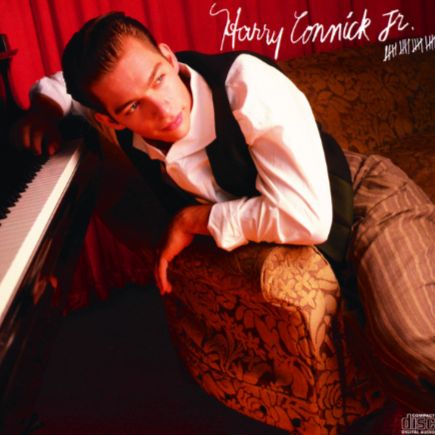
Parmi les moments forts de l’album 20, paru le 1er novembre 1988, figure une version particulièrement émouvante de Do You Know What It Means to Miss New Orleans?, enregistrée à New York par le jeune pianiste Harry Connick Jr., alors âgé de vingt ans, avec la participation du chanteur et organiste Dr. John (Malcolm John Rebennack Jr.). Cette collaboration, toute en délicatesse et en complicité, rend un hommage sincère à la ville natale des deux musiciens, véritable matrice du jazz américain.
L’album 20, dédié à la mémoire de la mère de Connick, marque une étape importante dans la carrière du pianiste. Alternant piano solo, chansons interprétées sans accompagnement et duos marquants, il révèle un jeune artiste déjà pleinement maître de ses moyens expressifs. Sa relecture de standards emblématiques fait preuve d’une grande sensibilité, d’un respect des formes et d’une capacité à y inscrire sa propre voix.
Sur Do You Know What It Means to Miss New Orleans?, la voix rocailleuse et habitée de Dr. John, soutenue par les couleurs chaleureuses de son orgue, dialogue avec le piano de Connick dans un climat feutré et nostalgique. L’alchimie fonctionne pleinement, capturant l’âme d’une ville absente mais omniprésente. L’album comprend également un duo vocal saisissant avec Carmen McRae sur Please Don’t Talk About Me When I’m Gone, ainsi qu’une participation du contrebassiste Bob Hurst sur Do Nothin’ Till You Hear from Me.
Do You Know What It Means to Miss New Orleans?: un himno a la ciudad cuna del jazz
Una canción nacida del cine y de la memoria colectiva
Compuesta por Louis Alter con letra de Eddie DeLange, Do You Know What It Means to Miss New Orleans? fue grabada en 1946 por Louis Armstrong para el sello RCA Victor. Al año siguiente alcanzó mayor visibilidad al integrarse en la banda sonora de la película New Orleans, dirigida por Arthur Lubin, en la que Armstrong aparece junto a Billie Holiday. Desde sus primeras difusiones, la canción trascendió el ámbito cinematográfico para consolidarse como una evocación sensible y duradera de la ciudad que le da nombre.
Una expresión musical de la nostalgia
Convertida en estándar, Do You Know What It Means to Miss New Orleans? expresa con precisión la nostalgia del exilio y el apego profundo a un lugar fundacional. La melodía, amplia y melancólica, sostiene un texto lleno de ternura y añoranza, sin caer nunca en la exageración. Esta contención otorga a la canción una fuerza emocional singular, donde lo íntimo se vuelve universal. Cada interpretación reactiva el recuerdo de una ciudad idealizada, a la vez real y mitificada por la música.
Una firma emocional de la ciudad del jazz
Cuna del jazz, Nueva Orleans encarna un crisol cultural único, forjado por el encuentro entre brass bands, blues, ragtime y cantos espirituales. En este contexto, Do You Know What It Means to Miss New Orleans? se ha impuesto como una auténtica firma sonora de la ciudad. Interpretada con frecuencia en festivales, clubes y ceremonias conmemorativas, la canción actúa como un vínculo vivo entre historia musical y memoria colectiva, recordando el papel central de Nueva Orleans en el nacimiento y la transmisión del jazz.
Harry Connick Jr. y Dr. John: una declaración de amor a Nueva Orleans
Entre los momentos más destacados del álbum 20, publicado el 1 de noviembre de 1988, se encuentra una versión particularmente conmovedora de Do You Know What It Means to Miss New Orleans?, grabada en Nueva York por el joven pianista Harry Connick Jr., entonces con apenas veinte años, junto al cantante y organista Dr. John (Malcolm John Rebennack Jr.). Esta colaboración, llena de sutileza y complicidad, rinde un homenaje sincero a la ciudad natal de ambos músicos, cuna espiritual del jazz estadounidense.
El álbum 20, dedicado a la memoria de la madre de Connick, representa una etapa importante en la trayectoria del pianista. Alternando piezas a piano solo, canciones interpretadas sin acompañamiento y dúos memorables, revela a un joven artista ya plenamente dueño de su lenguaje musical. Su lectura de estándares clásicos muestra una gran sensibilidad, respeto por la forma y una voz propia que emerge con claridad.
En Do You Know What It Means to Miss New Orleans?, la voz áspera y profunda de Dr. John, sostenida por los tonos cálidos de su órgano, dialoga con el piano de Connick en una atmósfera íntima y nostálgica. La química es total, capturando el alma de una ciudad ausente pero siempre presente. El álbum también incluye un dúo vocal notable con Carmen McRae en Please Don’t Talk About Me When I’m Gone, así como una intervención del contrabajista Bob Hurst en Do Nothin’ Till You Hear from Me.
Do You Know What It Means to Miss New Orleans?: un inno alla città culla del jazz
Una canzone nata dal cinema e dalla memoria collettiva
Composta da Louis Alter su parole di Eddie DeLange, Do You Know What It Means to Miss New Orleans? viene incisa nel 1946 da Louis Armstrong per l’etichetta RCA Victor. L’anno successivo ottiene maggiore visibilità entrando nella colonna sonora del film New Orleans, diretto da Arthur Lubin, in cui Armstrong appare accanto a Billie Holiday. Fin dalle prime diffusione, la canzone supera il contesto cinematografico per affermarsi come un’evocazione sensibile e duratura della città che le dà il nome.
Un’espressione musicale della nostalgia
Divenuta uno standard, Do You Know What It Means to Miss New Orleans? esprime con grande precisione la nostalgia dell’esilio e l’attaccamento profondo a un luogo fondativo. La melodia, ampia e malinconica, sostiene un testo colmo di tenerezza e rimpianto, senza mai scivolare nell’enfasi. Questa misura conferisce al brano una forza emotiva particolare, in cui l’intimo si apre all’universale. Ogni interpretazione riattiva il ricordo di una città idealizzata, insieme reale e mitizzata dalla musica.
Una firma emotiva della città del jazz
Culla del jazz, New Orleans rappresenta un crogiolo culturale unico, plasmato dall’incontro tra brass band, blues, ragtime e canti spirituali. In questo contesto, Do You Know What It Means to Miss New Orleans? si è affermata come una vera firma sonora della città. Regolarmente eseguita in festival, club o cerimonie commemorative, la canzone funge da legame vivo tra storia musicale e memoria collettiva, ricordando il ruolo centrale di New Orleans nella nascita e nella trasmissione del jazz.
Harry Connick Jr. e Dr. John: una dichiarazione d’amore a New Orleans
Tra i momenti più toccanti dell’album 20, pubblicato il 1º novembre 1988, spicca una versione particolarmente intensa di Do You Know What It Means to Miss New Orleans?, registrata a New York dal giovane pianista Harry Connick Jr., allora appena ventenne, con la partecipazione del cantante e organista Dr. John (Malcolm John Rebennack Jr.). Una collaborazione intima e raffinata, che rende omaggio alla città natale di entrambi, vera culla del jazz americano.
L’album 20, dedicato alla memoria della madre di Connick, segna una tappa fondamentale nella sua carriera. Alternando brani per solo piano, canzoni interpretate senza accompagnamento e duetti memorabili, rivela un giovane artista già pienamente consapevole della propria espressività. Le sue riletture di grandi standard mostrano sensibilità, rispetto per la forma e un’autenticità già ben definita.
In Do You Know What It Means to Miss New Orleans?, la voce roca e intensa di Dr. John, sostenuta dal calore del suo organo, dialoga con il piano di Connick in un’atmosfera ovattata e malinconica. L’intesa è perfetta, e riesce a catturare l’anima di una città assente eppure sempre presente. L’album include anche un duetto vocale suggestivo con Carmen McRae in Please Don’t Talk About Me When I’m Gone, e un intervento del contrabbassista Bob Hurst in Do Nothin’ Till You Hear from Me.
Do You Know What It Means to Miss New Orleans?: an anthem to the birthplace of jazz
A song born of cinema and collective memory
Composed by Louis Alter with lyrics by Eddie DeLange, Do You Know What It Means to Miss New Orleans? was recorded in 1946 by Louis Armstrong for the RCA Victor label. It gained wider visibility the following year when it was included in the soundtrack of the film New Orleans, directed by Arthur Lubin, in which Armstrong appears on screen alongside Billie Holiday. From its earliest releases, the song moved beyond its cinematic context to establish itself as a sensitive and enduring evocation of the city that gives it its name.
A musical expression of nostalgia
Having become a standard, Do You Know What It Means to Miss New Orleans? conveys with remarkable clarity the nostalgia of exile and a deep attachment to a formative place. The broad, melancholic melody supports lyrics imbued with tenderness and longing, without ever slipping into excess. This restraint gives the song a distinctive emotional power, where the intimate meets the universal. Each performance rekindles the image of an idealized city, at once real and mythologized through music.
An emotional signature of the jazz city
As the birthplace of jazz, New Orleans embodies a unique cultural crucible, shaped by the convergence of brass bands, blues, ragtime, and spirituals. In this context, Do You Know What It Means to Miss New Orleans? has emerged as a true sonic signature of the city. Frequently performed at festivals, in clubs, or during commemorative ceremonies, the song acts as a living link between musical history and collective memory, recalling New Orleans’ central role in the emergence and transmission of jazz.
Harry Connick Jr. and Dr. John: a love letter to New Orleans
One of the standout moments of the album 20, released on November 1, 1988, is a deeply moving version of Do You Know What It Means to Miss New Orleans?, recorded in New York by a 20-year-old Harry Connick Jr., with singer and organist Dr. John (Malcolm John Rebennack Jr.) joining him on vocals and organ. This understated yet heartfelt collaboration pays sincere tribute to the musicians’ shared hometown, the spiritual birthplace of American jazz.
The album 20, dedicated to the memory of Connick’s mother, marked a significant milestone in his early career. Blending solo piano pieces, unaccompanied vocals, and striking duets, it revealed a young artist already in full command of his expressive abilities. His interpretations of classic standards display great sensitivity, a deep respect for form, and a clear personal voice.
On Do You Know What It Means to Miss New Orleans?, Dr. John’s gravelly, soulful voice, supported by the warm textures of his organ, weaves seamlessly with Connick’s piano in a hushed, nostalgic atmosphere. The chemistry is palpable, capturing the soul of a city both absent and ever-present. The album also features a remarkable vocal duet with Carmen McRae on Please Don’t Talk About Me When I’m Gone, and bassist Bob Hurst contributes on Do Nothin’ Till You Hear from Me.


Autres articles – Otros artículos – Altri articoli
Do You Know What It Means To Miss New Orleans?–17.10.1946–Louis ARMSTRONG
Do You Know What It Means To Miss New Orleans?–18.04.1947–Billie HOLIDAY
Do You Know What It Means To Miss New Orleans?–01.06.1956–Louis ARMSTRONG
Do You Know What It Means To Miss New Orleans?–13.11.1959–Kid ORY & Red ALLEN
Do You Know What It Means To Miss New Orleans?–xx.07.1981–Stéphane GRAPPELLI
Do You Know What It Means To Miss New Orleans?–19-20.12.1986–Wynton MARSALIS
Do You Know What It Means To Miss New Orleans?–xx.xx.1991–Pete FOUNTAIN
Do You Know What It Means To Miss New Orleans?–25.08.2005–Stefano BOLLANI
Do You Know What It Means To Miss New Orleans?–30.09.2008–TAKE 6 & Aaron NEVILLE
Do You Know What It Means To Miss New Orleans?–20.10-21.10.2008–Jerry GRANELLI