Do You Know What It Means to Miss New Orleans?: un hymne à la ville berceau du jazz
Une chanson née du cinéma et de la mémoire collective
Composée par Louis Alter sur des paroles d’Eddie DeLange, Do You Know What It Means to Miss New Orleans? est enregistrée en 1946 par Louis Armstrong pour le label RCA Victor. Elle acquiert une visibilité accrue l’année suivante en intégrant la bande originale du film New Orleans, réalisé par Arthur Lubin, où Armstrong apparaît à l’écran aux côtés de Billie Holiday. Dès ses premières diffusions, la chanson dépasse le cadre du cinéma pour s’imposer comme une évocation sensible et durable de la ville qui lui donne son nom.
Une expression musicale de la nostalgie
Devenue un standard, Do You Know What It Means to Miss New Orleans? exprime avec une grande justesse la nostalgie de l’exil et l’attachement profond à un lieu fondateur. La mélodie, ample et mélancolique, soutient un texte empreint de tendresse et de regret, sans jamais sombrer dans l’emphase. Cette retenue confère à la chanson une force émotionnelle particulière, où l’intime rejoint l’universel. Chaque interprétation réactive le souvenir d’une ville idéalisée, à la fois réelle et mythifiée par la musique.
Une signature émotionnelle de la ville du jazz
Berceau du jazz, La Nouvelle-Orléans incarne un creuset culturel unique, façonné par la rencontre des brass bands, du blues, du ragtime et des chants spirituels. Dans ce contexte, Do You Know What It Means to Miss New Orleans? s’est imposée comme une véritable signature sonore de la ville. Régulièrement interprétée lors de festivals, dans les clubs ou au cours de cérémonies commémoratives, la chanson fonctionne comme un lien vivant entre histoire musicale et mémoire collective, rappelant le rôle central de La Nouvelle-Orléans dans l’émergence et la transmission du jazz.
Une version méconnue mais magistrale
Un ensemble d’exception pour une relecture lumineuse
La version enregistrée à Los Angeles le 17 octobre 1946 réunit Louis Armstrong et les Dixieland Seven, avec Kid Ory au trombone, Barney Bigard à la clarinette, Charlie Beal au piano, Arthur “Bud” Scott à la guitare, Red Callender à la contrebasse et Minor Hall à la batterie. Cette formation capture avec une rare précision l’esprit du jazz traditionnel, fondé sur l’interaction collective et l’énergie partagée. Armstrong y déploie une sonorité éclatante, à la fois noble, incisive et profondément vivante.
Une adaptation cinématographique portée par des figures majeures
Pour la version filmée dans New Orleans aux côtés de Billie Holiday, l’orchestre dirigé par Woody Herman élargit cette base en intégrant plusieurs musiciens d’envergure: Meade Lux Lewis au piano, Mutt Carey au cornet et Zutty Singleton à la batterie. Plus orchestrée, cette version reste fidèle à l’élan spontané et festif du style d’Armstrong, tout en révélant le rôle du cinéma dans la diffusion du langage néo-orléanais auprès du grand public.
Une période charnière qui annonce l’ère des All-Stars
La session de 1946 s’inscrit dans une anthologie en quatre disques consacrée à la période 1932–1947, souvent négligée dans la carrière d’Armstrong. Ces années constituent pourtant une phase cruciale: après les grandes formations du début du swing, Armstrong privilégie les petits ensembles, plus propices à son expression personnelle. Il y pose les fondations des futurs All-Stars, groupe qui l’accompagnera jusqu’à la fin de sa vie. Dans ce parcours, l’enregistrement de 1946 apparaît comme un jalon précieux, où héritage et renouveau s’entrelacent avec éclat.
Do You Know What It Means to Miss New Orleans?: un himno a la ciudad cuna del jazz
Una canción nacida del cine y de la memoria colectiva
Compuesta por Louis Alter con letra de Eddie DeLange, Do You Know What It Means to Miss New Orleans? fue grabada en 1946 por Louis Armstrong para el sello RCA Victor. Al año siguiente alcanzó mayor visibilidad al integrarse en la banda sonora de la película New Orleans, dirigida por Arthur Lubin, en la que Armstrong aparece junto a Billie Holiday. Desde sus primeras difusiones, la canción trascendió el ámbito cinematográfico para consolidarse como una evocación sensible y duradera de la ciudad que le da nombre.
Una expresión musical de la nostalgia
Convertida en estándar, Do You Know What It Means to Miss New Orleans? expresa con precisión la nostalgia del exilio y el apego profundo a un lugar fundacional. La melodía, amplia y melancólica, sostiene un texto lleno de ternura y añoranza, sin caer nunca en la exageración. Esta contención otorga a la canción una fuerza emocional singular, donde lo íntimo se vuelve universal. Cada interpretación reactiva el recuerdo de una ciudad idealizada, a la vez real y mitificada por la música.
Una firma emocional de la ciudad del jazz
Cuna del jazz, Nueva Orleans encarna un crisol cultural único, forjado por el encuentro entre brass bands, blues, ragtime y cantos espirituales. En este contexto, Do You Know What It Means to Miss New Orleans? se ha impuesto como una auténtica firma sonora de la ciudad. Interpretada con frecuencia en festivales, clubes y ceremonias conmemorativas, la canción actúa como un vínculo vivo entre historia musical y memoria colectiva, recordando el papel central de Nueva Orleans en el nacimiento y la transmisión del jazz.
Una versión poco conocida pero magistral
Un conjunto excepcional para una lectura luminosa
La versión grabada en Los Ángeles el 17 de octubre de 1946 reúne a Louis Armstrong y los Dixieland Seven, con Kid Ory al trombón, Barney Bigard al clarinete, Charlie Beal al piano, Arthur “Bud” Scott a la guitarra, Red Callender al contrabajo y Minor Hall a la batería. Esta formación capta con notable precisión el espíritu del jazz tradicional, basado en la interacción colectiva y la energía compartida. Armstrong despliega aquí un sonido radiante, noble e intensamente vivo.
Una adaptación cinematográfica con grandes figuras del jazz
Para la versión filmada en New Orleans junto a Billie Holiday, la orquesta dirigida por Woody Herman amplía esta base incorporando a varios músicos de renombre: Meade Lux Lewis al piano, Mutt Carey al cornetín y Zutty Singleton a la batería. Aunque más orquestada, la versión mantiene el carácter espontáneo y festivo propio del estilo de Armstrong, mostrando cómo el cine contribuyó a difundir el lenguaje de Nueva Orleans entre el gran público.
Un período decisivo que anticipa la era de los All-Stars
La sesión de 1946 forma parte de una antología de cuatro discos dedicada al período 1932–1947, a menudo pasado por alto en la carrera de Armstrong. Sin embargo, estos años constituyen una fase crucial: tras las grandes formaciones de los inicios del swing, Armstrong privilegia los pequeños conjuntos, más adecuados a su ideal expresivo. Allí establece las bases de los futuros All-Stars, grupo que lo acompañará durante el resto de su vida. En este recorrido, la grabación de 1946 aparece como un hito valioso en el que tradición y renovación se entrelazan con brillo.
Do You Know What It Means to Miss New Orleans?: un inno alla città culla del jazz
Una canzone nata dal cinema e dalla memoria collettiva
Composta da Louis Alter su parole di Eddie DeLange, Do You Know What It Means to Miss New Orleans? viene incisa nel 1946 da Louis Armstrong per l’etichetta RCA Victor. L’anno successivo ottiene maggiore visibilità entrando nella colonna sonora del film New Orleans, diretto da Arthur Lubin, in cui Armstrong appare accanto a Billie Holiday. Fin dalle prime diffusione, la canzone supera il contesto cinematografico per affermarsi come un’evocazione sensibile e duratura della città che le dà il nome.
Un’espressione musicale della nostalgia
Divenuta uno standard, Do You Know What It Means to Miss New Orleans? esprime con grande precisione la nostalgia dell’esilio e l’attaccamento profondo a un luogo fondativo. La melodia, ampia e malinconica, sostiene un testo colmo di tenerezza e rimpianto, senza mai scivolare nell’enfasi. Questa misura conferisce al brano una forza emotiva particolare, in cui l’intimo si apre all’universale. Ogni interpretazione riattiva il ricordo di una città idealizzata, insieme reale e mitizzata dalla musica.
Una firma emotiva della città del jazz
Culla del jazz, New Orleans rappresenta un crogiolo culturale unico, plasmato dall’incontro tra brass band, blues, ragtime e canti spirituali. In questo contesto, Do You Know What It Means to Miss New Orleans? si è affermata come una vera firma sonora della città. Regolarmente eseguita in festival, club o cerimonie commemorative, la canzone funge da legame vivo tra storia musicale e memoria collettiva, ricordando il ruolo centrale di New Orleans nella nascita e nella trasmissione del jazz.
Una versione poco nota ma magistrale
Un ensemble d’eccezione per una lettura luminosa
La versione registrata a Los Angeles il 17 ottobre 1946 riunisce Louis Armstrong e i Dixieland Seven, con Kid Ory al trombone, Barney Bigard al clarinetto, Charlie Beal al pianoforte, Arthur “Bud” Scott alla chitarra, Red Callender al contrabbasso e Minor Hall alla batteria. L’ensemble cattura con precisione lo spirito del jazz tradizionale, fondato sull’interazione collettiva e sull’energia condivisa. Armstrong vi sfoggia un suono radioso, nobile e profondamente vitale.
Una trasposizione cinematografica con protagonisti di rilievo
Per la versione filmata in New Orleans accanto a Billie Holiday, l’orchestra diretta da Woody Herman amplia la formazione con diversi musicisti di spicco: Meade Lux Lewis al pianoforte, Mutt Carey al cornetto e Zutty Singleton alla batteria. Pur più orchestrata, la versione conserva la spontaneità e la vitalità tipiche dello stile di Armstrong, evidenziando il ruolo del cinema nella diffusione del linguaggio neo–orleaniano.
Un periodo cruciale che anticipa l’era degli All-Stars
La sessione del 1946 rientra in un’antologia di quattro dischi dedicata al periodo 1932–1947, spesso trascurato nella carriera di Armstrong. Eppure questi anni segnano una fase decisiva: dopo le grandi big band dell’inizio dello swing, Armstrong privilegia piccoli ensemble più affini al suo ideale espressivo. Qui pone le basi dei futuri All-Stars, gruppo che lo accompagnerà per tutta la vita. In questo percorso, la registrazione del 1946 emerge come un tassello prezioso in cui tradizione e rinnovamento convivono con grande brillantezza.
Do You Know What It Means to Miss New Orleans?: an anthem to the birthplace of jazz
A song born of cinema and collective memory
Composed by Louis Alter with lyrics by Eddie DeLange, Do You Know What It Means to Miss New Orleans? was recorded in 1946 by Louis Armstrong for the RCA Victor label. It gained wider visibility the following year when it was included in the soundtrack of the film New Orleans, directed by Arthur Lubin, in which Armstrong appears on screen alongside Billie Holiday. From its earliest releases, the song moved beyond its cinematic context to establish itself as a sensitive and enduring evocation of the city that gives it its name.
A musical expression of nostalgia
Having become a standard, Do You Know What It Means to Miss New Orleans? conveys with remarkable clarity the nostalgia of exile and a deep attachment to a formative place. The broad, melancholic melody supports lyrics imbued with tenderness and longing, without ever slipping into excess. This restraint gives the song a distinctive emotional power, where the intimate meets the universal. Each performance rekindles the image of an idealized city, at once real and mythologized through music.
An emotional signature of the jazz city
As the birthplace of jazz, New Orleans embodies a unique cultural crucible, shaped by the convergence of brass bands, blues, ragtime, and spirituals. In this context, Do You Know What It Means to Miss New Orleans? has emerged as a true sonic signature of the city. Frequently performed at festivals, in clubs, or during commemorative ceremonies, the song acts as a living link between musical history and collective memory, recalling New Orleans’ central role in the emergence and transmission of jazz.
A little-known yet masterful version
An exceptional ensemble for a radiant interpretation
The version recorded in Los Angeles on October 17, 1946 brings together Louis Armstrong and the Dixieland Seven, featuring Kid Ory on trombone, Barney Bigard on clarinet, Charlie Beal on piano, Arthur “Bud” Scott on guitar, Red Callender on bass and Minor Hall on drums. The ensemble captures with rare precision the spirit of traditional jazz, grounded in collective interaction and shared energy. Armstrong delivers a radiant tone, noble, incisive and deeply alive.
A cinematic adaptation shaped by major jazz figures
For the filmed version in New Orleans alongside Billie Holiday, the orchestra directed by Woody Herman expands the lineup with several notable musicians: Meade Lux Lewis on piano, Mutt Carey on cornet and Zutty Singleton on drums. Although more orchestrated, the version preserves the spontaneity and festive vitality characteristic of Armstrong’s style, illustrating the cinema’s role in spreading the New Orleans idiom to broader audiences.
A pivotal period foreshadowing the All-Stars era
The 1946 session is part of a four-record anthology devoted to the often-overlooked period of 1932–1947 in Armstrong’s career. These years mark a crucial transition: after the large swing-era ensembles, Armstrong increasingly favors small groups better suited to his expressive ideals. Here he lays the foundations for the future All-Stars, the ensemble that would accompany him for the rest of his life. In this trajectory, the 1946 recording emerges as a valuable milestone where tradition and renewal converge with brilliance.
26.01.2026
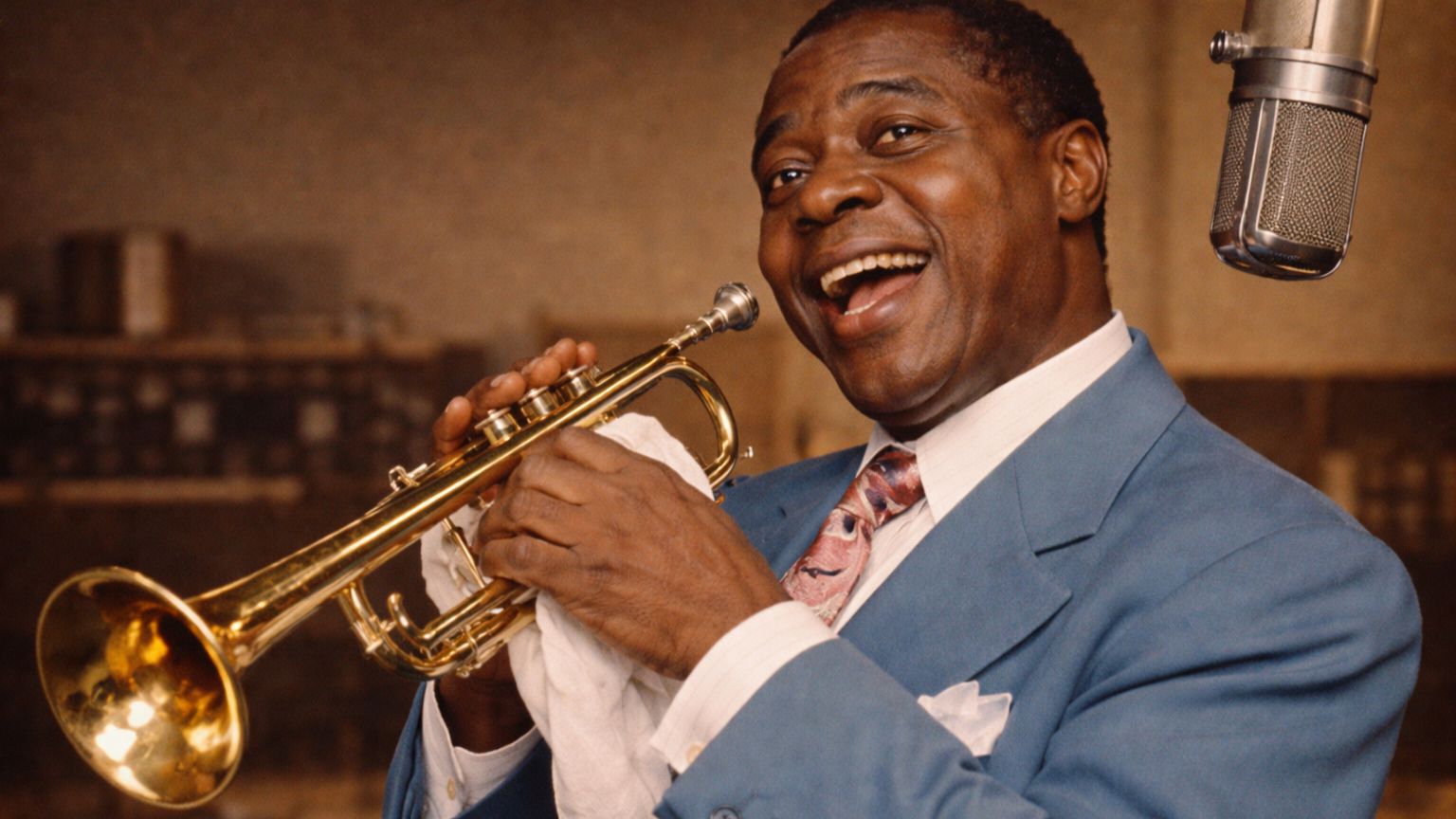
generated by ChatGPT (AI)


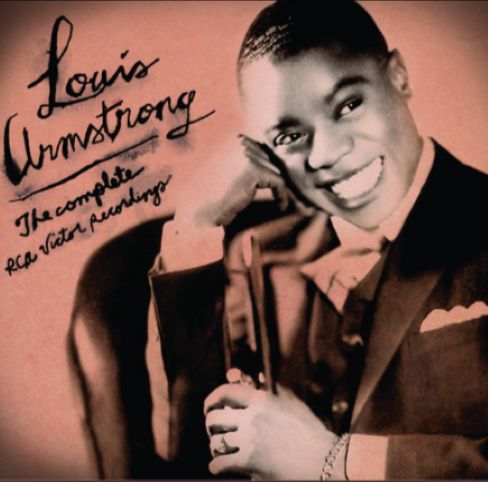
Do You Know What It Means To Miss New Orleans?–18.04.1947–Billie HOLIDAY
Do You Know What It Means To Miss New Orleans?–01.06.1956–Louis ARMSTRONG
Do You Know What It Means To Miss New Orleans?–13.11.1959–Kid ORY & Red ALLEN
Do You Know What It Means To Miss New Orleans?–xx.07.1981–Stéphane GRAPPELLI
Do You Know What It Means To Miss New Orleans?–19-20.12.1986–Wynton MARSALIS
Do You Know What It Means To Miss New Orleans?–01.11.1988–Harry CONNICK Jr.
Do You Know What It Means To Miss New Orleans?–xx.xx.1991–Pete FOUNTAIN
Do You Know What It Means To Miss New Orleans?–25.08.2005–Stefano BOLLANI
Do You Know What It Means To Miss New Orleans?–30.09.2008–TAKE 6 & Aaron NEVILLE
Do You Know What It Means To Miss New Orleans?–20.10-21.10.2008–Jerry GRANELLI